The article following next involving Common Causes of Water Leaks in the Home is unquestionably interesting. Don't bypass it.
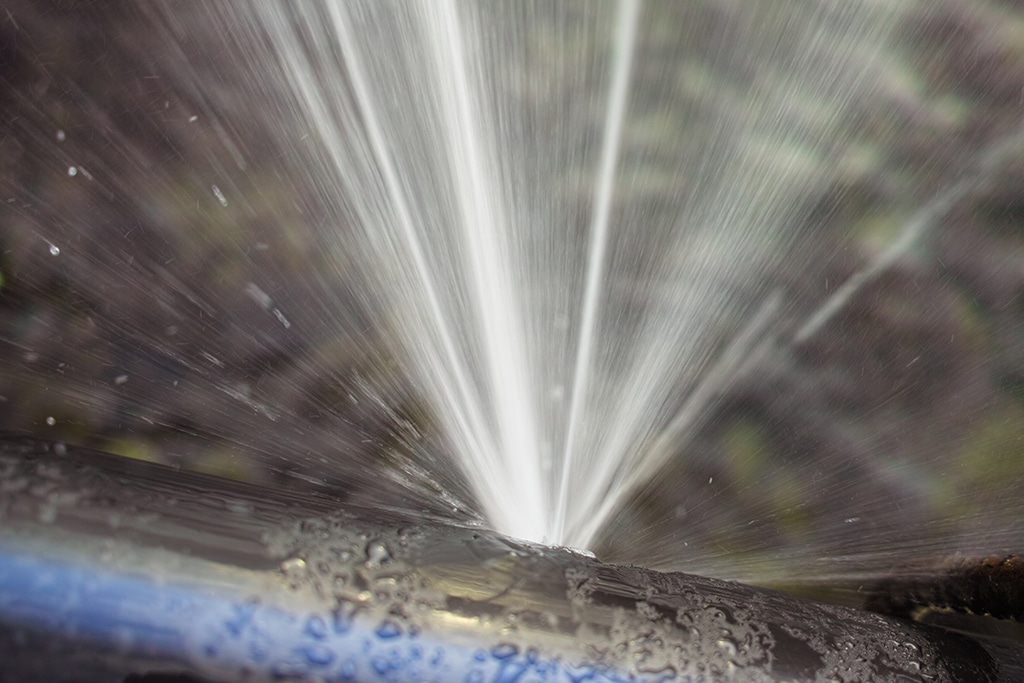
"Be cautious of little expenses. A little leak will sink an excellent ship." - Benjamin Franklin.
He could not have been more best since water leaks in our residences result in a waste of sources, raising our water bills. Although this boost could appear minimal at first, it can result in considerable expenditures that can break your financial institution. Aside from a boost in costs, water leaks additionally cause undesirable organic growth, structural damages, and also even electrical threats.
Determining if you have a water leakage isn't always simple as a result of being not able to see a lot of the pipework in your home. If you have had an increase in your water costs recently, noticed water discolorations on ceilings as well as walls, scented poor odor, etc. You could wish to consider asking for plumbing services to get it looked into.
There are numerous reasons for water leakages, and also we have actually compiled the usual reasons listed below. Inspect to see if you have actually had relevant issues in your home recently.
Obstructed drains
Food fragments, dust, as well as oil can cause stopped up drains pipes and also obstruct the passage of water in and out of your sink. If undealt with, raised pressure within the rain gutters can cause an overflow as well as finish up cracking or rupturing pipelines. To avoid blocked drains in your house, we advise you to prevent pouring bits down the drain and also regular cleaning of sinks.
High water pressure
You saw your house water stress is higher than usual yet then, why should you care? It runs out your control.
It would be best if you cared because your ordinary water pressure need to be 60 Psi (per square inch) as well as although your house's plumbing system is designed to stand up to 80 Psi. A boost in water pressure can put a pressure on your home pipelines as well as lead to cracks, or worse, ruptured pipelines. Obtain in touch with an expert concerning controling it if you ever observe that your home water stress is higher than common.
Corrosion
As your pipework ages, it obtains weaker and extra vulnerable to rust after the constant passage of water via them, which can eat away at pipes as well as create cracks. A noticeable indication of corrosion in your house plumbing system is discoloration and also although this could be hard to identify due to the majority of pipelines hidden away. We suggest doing a frequent examination every couple of years and change pipes once they are old to make sure an audio plumbing system
Compromised pipeline joints
Pipe joints are the parts of our plumbing system where the pipes link. It is vital to keep in mind that even though pipes are designed to withstand pressure and also last for a while, they weren't created to last permanently; as a result, they would degrade over time. A typical sign of damaged pipeline joints is extreme sound from taps.
Broken seals
Another cause of water leakages in houses is damaged seals of residence appliances that utilize water, e.g., a dish washer. When such devices are installed, seals are mounted around water ports for very easy flow of water through the machine. A broken seal can trigger leakage of water when in usage.
With little or no understanding of plumbing, comprehending your house's plumbing system adequate to take care of several of these concerns (without effect) can be an inconvenience. Contact plumbing experts in Pittsburgh, Divine Superintendence, Rochester, and also environ today, as well as they'll make those problems disappear.
He could not have actually been much more right since water leakages in our houses result in a waste of resources, raising our water expenses. If you have had an increase in your water costs lately, saw water stains on ceilings as well as walls, smelt poor smell, and so on. An increase in water stress can put a pressure on your home pipes and lead to splits, or even worse, ruptured pipelines. One more reason of water leakages in homes is broken seals of residence devices that use water, e.g., a dish washer. When such appliances are installed, seals are set up around water ports for very easy passage of water with the maker.
5 TIPS IN DETECTING A WATER LEAK IN YOUR HOUSE
Water leaks can be hard to find in your home, yet they can be so common. We rely on water every day in our home, which is why a leak can cause big problems. By detecting them early, you can save money and further damage, getting the problem fixed as soon as possible. Here are 5 tips to help you detect a water leak in your home, so you can contact a plumber straight away and get the issue sorted.
Check your water meter
Many people underestimate the value of the water meter in their home. It can be one of the best ways to tell if you have a leak early on, so you can get on top of it before issues start arising. Start by turning off all the water in your home: taps, washing machine, dishwasher, etc. Now take a look at the meter – if it’s still changing with everything turned off, it’s likely you have a fast-flowing leak that you need to get on top of straight away. If nothing changes, then leave your meter for an hour or two and come back to it. Did it change in this time? It’s likely you have a slower leak, which isn’t as urgent but still handy to get fixed so it doesn’t become a bigger problem.
Keep an eye on your bill
Another good way to detect a leak in your home is by keeping an eye on your water bill. It helps if you have a past bill from the same period of time. You can compare like for like and determine whether your water usage has increased significantly. If it has, there may be a leak in your system that you haven’t picked up before. A professional plumber can check through all of your pipes and determine where it is coming from.
Look for damage
If you have a leak inside your home, you will notice damage over time. Take a look at your showers and bathtubs and note whether any of the tiles surrounding the area seem to be discoloured or damaged in any way. There may be water stains, mould or peeling material that has resulted from a build up of moisture over time. Make sure you take a look under sinks at the back of cupboards that don’t get accessed regularly. This is where damage can go unnoticed and build up over periods of time.

Do you appreciate reading up on How to Find and Prevent Water Leaks in Your Home? Try leaving a short review below. We will be interested to know your opinions about this posting. In hopes that you come back again before long. Are you aware of somebody else who is excited by the niche? Please feel free to promote it. Thanks a bunch for your time. Kindly check up our site back soon.
No more stress, ring now.